ABO Antigens
Human blood is classified into different groups based on the presence or absence of specific antigens on the surface of red blood cells. Antigens are molecules, often glycoproteins or glycolipids, that are recognized by the immune system. In the ABO blood group system, the two main antigens are A antigen and B antigen.
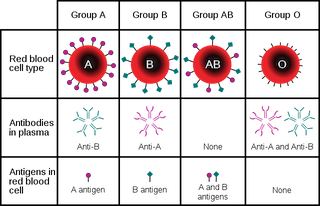
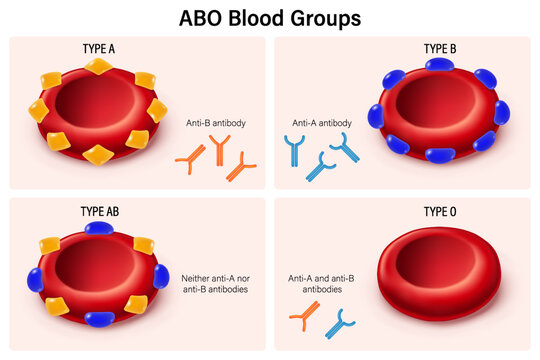
Individuals with Type A blood have A antigens on their red blood cells, while individuals with Type B blood have B antigens. People with Type AB blood have both A and B antigens, while those with Type O blood have neither antigen present on their red blood cells.
The ABO blood group system is determined by a gene that controls which antigens are present on the surface of red blood cells. This gene is inherited from a person’s parents and exists in three main forms, or alleles: A, B, and O. The A and B alleles are dominant, while the O allele is recessive.
Each person inherits two alleles, one from each parent. Different combinations of these alleles determine a person’s blood type. For example, individuals with AA or AO genotypes have Type A blood, while those with BB or BO genotypes have Type B blood. People with the AB genotype express both A and B antigens and therefore have Type AB blood, while individuals with OO genotype have Type O blood, meaning they do not produce A or B antigens on their red blood cells.
Because both A and B alleles are expressed when present together, the ABO system is an example of codominant inheritance. Understanding the genetics of ABO blood types helps explain how blood types are passed through families and why certain blood type combinations are possible in offspring.
Practice Vocabulary
Glycoproteins and glycolipids are molecules found on the surface of cell membranes that have carbohydrate chains attached to proteins (glycoproteins) or lipids (glycolipids). These structures form part of the glycocalyx and act as cell markers, helping cells recognize each other and communicate. In blood, they are especially important because they function as antigens on red blood cells, such as the A and B antigens in the ABO blood group system, which are used in blood typing.
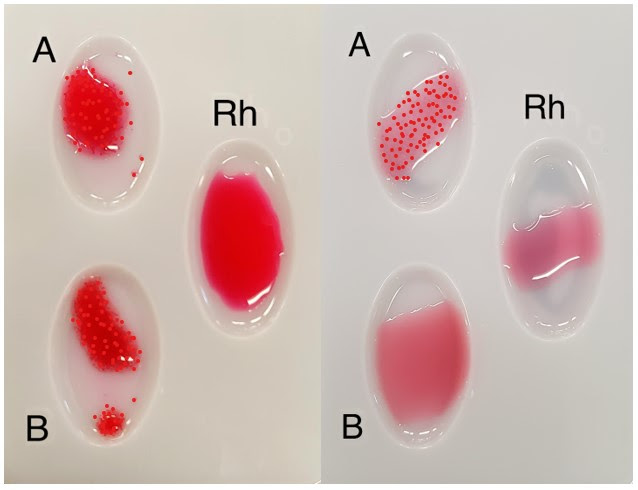
Agglutination is the clumping together of cells or particles, usually red blood cells, when antibodies bind to specific antigens on their surface. In blood typing, this reaction occurs when an antibody (such as anti-A or anti-B) matches its corresponding antigen on red blood cells, causing them to stick together in visible clumps. Agglutination is used to determine blood type and can also occur in incompatible blood transfusions, which can be dangerous.
Antibodies in Plasma
While antigens are located on the surface of red blood cells, antibodies are found in the plasma. Antibodies are proteins produced by the immune system that recognize and bind to foreign antigens.
Each blood type contains antibodies that target the antigens it does not possess:
- Type A blood contains anti-B antibodies
- Type B blood contains anti-A antibodies
- Type AB blood contains no anti-A or anti-B antibodies
- Type O blood contains both anti-A and anti-B antibodies
If incompatible blood types are mixed, antibodies bind to foreign antigens and cause agglutination, or clumping of red blood cells. This reaction can block blood vessels and lead to serious medical complications.
Practice Activity
Blood Type Compatibility
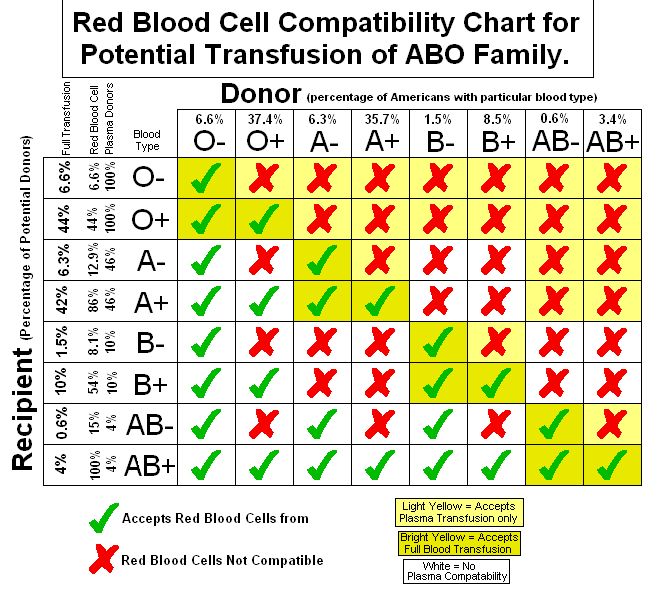
Understanding ABO blood groups is critical for blood transfusions, which occur when blood from a donor is transferred to a recipient. If incompatible blood is transfused, the recipient’s antibodies will attack the donor’s red blood cells, leading to a transfusion reaction.
For example, individuals with Type O blood do not have A or B antigens on their red blood cells, allowing them to donate blood to all ABO blood types. However, individuals with Type AB blood can receive blood from all ABO types because they do not produce anti-A or anti-B antibodies.
Proper blood typing ensures safe transfusions and prevents dangerous immune reactions.